
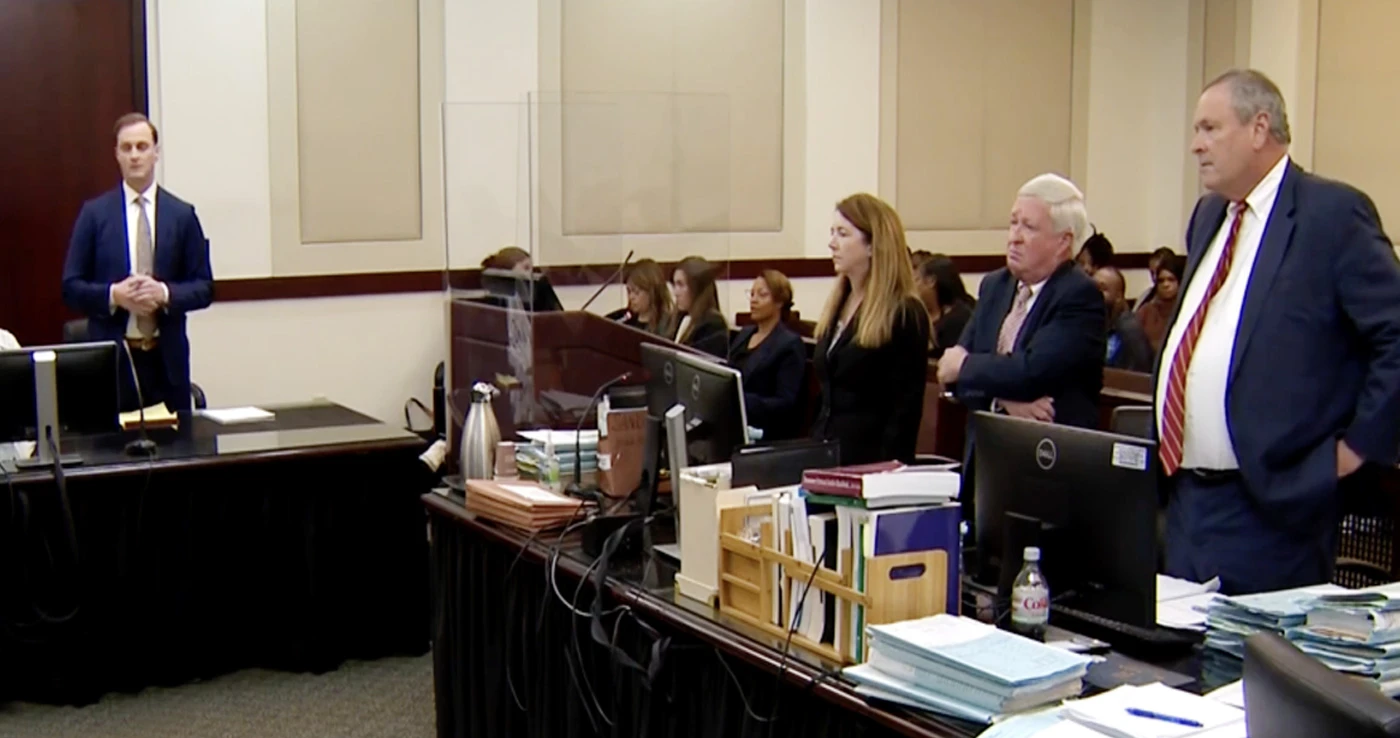
Legal Powers PLLC attorney Ben Powers addresses prosecutor recusal, conflict-of-interest concerns, and the impact on criminal proceedings
A significant development occurred in the prosecution of the Calvin Atchison murder case when Davidson County District Attorney Glenn Funk’s office withdrew from the prosecution shortly before a scheduled hearing involving allegations that members of the District Attorney’s Office improperly recorded and monitored the defense team working on Calvin Atchion’s defense.
The decision drew widespread attention because the withdrawal occurred immediately before a hearing that was expected to examine whether the allegations had affected pending criminal case. Tennessee criminal defense attorney Ben Powers, who represented Calvin Atchison, was the attorney raising concerns regarding the allegations and their potential impact on his client’s constitutional rights.
NewsChannel 5 and several other media outlets covered the withdrawal and its implications for the ongoing criminal proceedings.
Read more about the withdrawal on the News Channel 5 website.
For more information, you can also read WKRN’s 4 article about this case, WSMV’s report, and AOL.
Why Would a Prosecutor’s Office Withdraw from a Criminal Case?
Although prosecutor recusals are relatively uncommon, they do occur when circumstances create concerns about actual conflicts of interest or the appearance of a conflict that could affect public confidence in the fairness of a proceeding.
A prosecutor’s office may voluntarily step aside for several reasons, including allegations involving members of the office, prior involvement in disputed conduct, personal conflicts, or circumstances where continued participation could become a distraction from the underlying criminal case.
When a recusal occurs, the decision does not automatically resolve the allegations that prompted it. Instead, it changes who will be responsible for handling the prosecution moving forward.
In high-profile cases, courts often focus on ensuring that the proceedings remain fair and that both the prosecution and defense have confidence in the integrity of the process.
What Happens After a Prosecutor Recuses from a Case?
When a district attorney’s office withdraws from a criminal prosecution, another prosecutor is typically appointed to assume responsibility for the case. Depending on the circumstances, that may involve a prosecutor from another jurisdiction or a specially appointed attorney designated by the court.
The new prosecutor must review the evidence, evaluate the procedural history of the case, and determine how to proceed. In some situations, this transition can create delays as the incoming legal team becomes familiar with the facts and legal issues.
For defendants and defense attorneys, a recusal can also raise questions about the need to revisit prior decisions made in the case and whether additional review is necessary. The ultimate goal is to ensure that the case proceeds in a manner that protects the rights of all parties while maintaining public confidence in the justice system.
Why Do Conflict-of-Interest Issues Matter in Criminal Cases?
The criminal justice system depends on both actual fairness and the appearance of fairness. Even when allegations remain disputed, courts often take conflict-of-interest concerns seriously because public trust can be eroded if participants believe a prosecution may be compromised and unfairly biased.
As discussed throughout the litigation surrounding the Nashville eavesdropping controversy, questions involving attorney-client confidentiality, prosecutorial misconduct, and constitutional rights can have consequences that extend beyond a single case.
For that reason, courts frequently hold hearings, review evidence, and assess procedural concerns before deciding how a case should proceed; with the accused’s constitutional rights at the forefront of the court’s decision-making process.
The legal system includes these safeguards not only to protect defendants, but also to preserve confidence in the integrity of criminal proceedings.
Frequently Asked Questions About Prosecutor Recusals
What Does It Mean When a Prosecutor Recuses Themselves from a Case?
A recusal occurs when a prosecutor or prosecutor’s office steps aside from handling a case because of a conflict of interest, potential conflict, or other circumstances that may affect the proceedings.
Does a Recusal Mean Misconduct Occurred?
Possibly. A recusal does not automatically establish wrongdoing, however, the decision may be made for a variety of legal or ethical reasons, including avoiding disputes over potential prosecutorial misconduct.
Who Takes Over a Case After a Prosecutor Recuses?
Typically, another prosecutor or a specially appointed attorney assumes responsibility for the prosecution and continues to handle the case.
Can a Recusal Affect the Outcome of a Criminal Case?
It can affect how a case proceeds, particularly if new prosecutors review prior decisions or procedural issues. However, the specific impact depends on the facts of the case.
Experienced Tennessee Criminal Defense Representation
Complex criminal cases often involve more than the underlying allegations. Constitutional questions, conflicts of interest, procedural disputes, and questions about prosecutorial conduct can become significant parts of the legal process.
Through his representation of clients in serious criminal matters and his involvement in litigation involving important constitutional issues, attorney Ben Powers has advocated for the protection of defendants’ rights throughout Tennessee’s criminal justice system. His legal analysis has also featured in local and national media outlets covering major criminal law developments.
Legal Powers PLLC represents individuals facing serious criminal charges throughout Tennessee and works tirelessly to ensure that every client receives a thorough, strategic, and constitutionally sound defense. If you are facing serious criminal allegations or have concerns about how your case is being handled, contact the firm online or call (615) 762-8775 today to discuss your legal options.
Legal References Used to Inform This Page
To ensure the accuracy and clarity of this page, we referenced official legal and other resources during the content development process: