


Nashville DUI Lawyer
#StayFreeTennessee
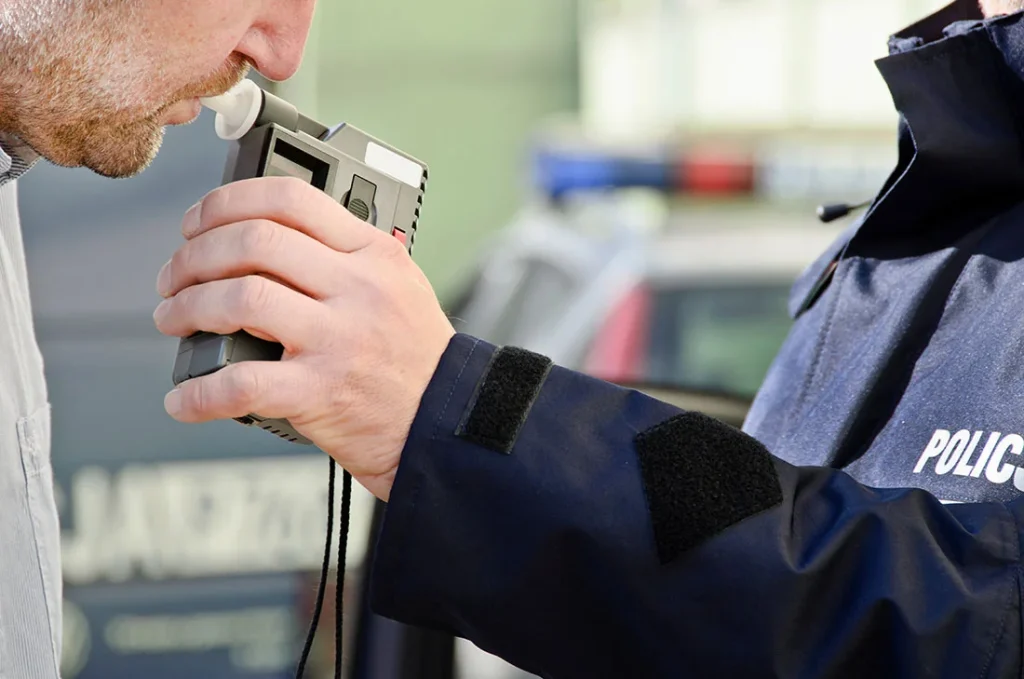
Blue lights in the rearview mirror can instantly turn an ordinary drive home into a criminal investigation.
Someone leaving dinner in East Nashville or heading back from a concert downtown may suddenly find themselves standing by the road answering questions from police officers while traffic passes nearby.
Within hours, concerns about employment, driver’s license suspension, insurance costs, and possible jail time often begin setting in.
DUI allegations move quickly in Davidson County. Prosecutors regularly pursue impaired driving cases arising from traffic stops near Broadway, interstate corridors, entertainment districts, and major event venues throughout Nashville.
Legal Powers PLLC represents individuals accused of alcohol-related and drug-related driving offenses across Middle Tennessee.
Speaking with a Nashville DUI lawyer early may help you better understand the accusations, the evidence involved, and the legal options available moving forward.
Call us at (615) 762-8775 or submit our online form today for a free case review.
What to Know If You’re Facing a Nashville DUI Charge
Every DUI case in Nashville turns on the details of the stop, the testing, and the charges filed. Here is what matters most as you sort out your next move.
- Tennessee’s DUI law covers more than alcohol — prescription medication, marijuana, and other narcotics can all lead to impaired driving charges.
- Field sobriety tests rely on an officer’s subjective observations, and factors like uneven pavement, weather, or a medical condition can affect performance.
- Chemical test results are not automatically reliable — calibration errors, chain-of-custody gaps, and health conditions can all raise questions.
- Charges can escalate from a misdemeanor to a felony when prior convictions, an accident, or an injury are involved.
- A DUI arrest can trigger license consequences on a different timeline than the criminal case, which makes acting quickly important.
How Do Routine Stops Escalate Into a DUI Investigation?
Many impaired driving investigations begin with relatively minor traffic allegations rather than dangerous or reckless conduct.
An officer may initially stop a vehicle because of:
- Speeding,
- Expired registration,
- Failure to signal,
- Improper lane usage, or
- Equipment violations.
Once the stop begins, officers often start looking for additional signs they associate with intoxication. Police reports may later reference allegedly bloodshot eyes, delayed responses, nervous behavior, or the odor of alcohol.
Traffic conditions in downtown Nashville sometimes complicate these situations. Drivers navigating crowded rideshare zones near Broadway or congested intersections after concerts may appear hesitant or uncertain for reasons unrelated to impairment.
A Nashville DUI attorney evaluates whether officers had legal justification to expand the traffic stop into a criminal investigation.
Are Tennessee DUI Charges Limited to Alcohol Cases?
Many people associate DUI charges only with alcohol consumption.
Tennessee law, however, permits prosecutors to pursue allegations involving impairment allegedly caused by:
- Prescription medication,
- Marijuana,
- Illegal narcotics,
- Combined substance use, or
- Intoxicants generally.
Cases involving medication can become especially complicated because side effects vary significantly between individuals. Someone taking lawful prescriptions may still face criminal allegations if officers believe the medication affected their ability to drive safely.
Fatigue, illness, anxiety, and medical conditions may also influence how a person appears during a roadside encounter. Slowed speech or balance problems do not automatically establish intoxication.
Because DUI allegations arise under many different circumstances, every investigation requires careful review of both the evidence and the officer’s conclusions.
Why Are Roadside Sobriety Exercises Often Less Reliable Than They Appear?
Field sobriety testing often occurs under stressful, imperfect conditions. Officers may ask drivers to complete balancing exercises beside active traffic lanes late at night while surrounded by flashing emergency lights and passing vehicles.
Environmental conditions can affect performance significantly.
For example, a driver may struggle during roadside exercises because:
- The pavement is uneven,
- Rain or cold weather affects balance,
- The individual suffers from prior injuries, or
- Exhaustion affects coordination.
Body camera footage sometimes reveals circumstances missing from written police reports. An officer may describe a driver as “unsteady,” while video shows the person standing on a sloped shoulder near heavy interstate traffic.
A DUI lawyer in Nashville reviews how the exercises were administered and whether outside factors affected the results.
How Roadside Sobriety Tests Work — And Where They Go Wrong
Tennessee officers commonly rely on three standardized field sobriety tests during a DUI stop: the Horizontal Gaze Nystagmus test, the Walk-and-Turn, and the One-Leg Stand. These tests were designed to be scored under controlled conditions, but a real roadside rarely matches that ideal. Environmental factors, physical conditions, and simple nerves can all affect how someone performs, regardless of whether they have been drinking.
Horizontal Gaze Nystagmus (HGN)
What the Officer Is Looking For
Nystagmus is an involuntary jerking of the eyes. The officer watches each eye for a lack of smooth pursuit, distinct jerking when the eye is held at maximum deviation, and jerking that begins before the eye reaches roughly a 45-degree angle.
How It Is Supposed to Be Administered
The officer holds a small stimulus, such as a pen or penlight, roughly 12 to 15 inches from the person's nose and moves it smoothly from side to side while watching each eye for the signs above.
- Certain neurological or inner-ear conditions that cause natural, unrelated eye jerking
- Some prescription and over-the-counter medications
- Flashing emergency lights or oncoming headlights during the test
- Wind, dust, or debris irritating the eyes
- Extreme fatigue
- How steadily and smoothly the officer moves the stimulus
Walk-and-Turn
What the Officer Is Looking For
This is a divided-attention test with eight possible clues, including whether the person can keep their balance while listening to instructions, starts too soon, stops while walking, misses heel-to-toe contact, steps off the line, raises their arms for balance, turns improperly, or takes the wrong number of steps.
How It Is Supposed to Be Administered
The person is asked to stand heel-to-toe while the officer explains and demonstrates the test, then take nine heel-to-toe steps along a real or imaginary line, make a series of small steps to turn around, and take nine heel-to-toe steps back.
- Uneven, sloped, or soft ground, such as gravel or a grassy shoulder
- Poor roadside lighting
- Footwear not suited to the test, like heels, sandals, or heavy boots
- Age or body weight, which NHTSA's own training materials note can affect this test regardless of impairment
- Back, leg, knee, or inner-ear problems
- Nervousness about being watched and evaluated by police
One-Leg Stand
What the Officer Is Looking For
The officer watches for four clues: swaying while balancing, using arms for balance, hopping to stay upright, or putting the raised foot down before being told to stop.
How It Is Supposed to Be Administered
The person is asked to stand with one foot raised about six inches off the ground, keep both legs straight, keep their arms at their sides, and count aloud in a specific way until told to stop, typically around 30 seconds, while the officer times the test.
- Uneven or sloped roadside surfaces
- Footwear not suited to balancing
- Age or body weight, which NHTSA's own training materials note can affect this test regardless of impairment
- Back, leg, knee, or inner-ear problems
- Wind or weather conditions
- General anxiety and fatigue during a roadside stop
An officer's report often treats these tests as a simple pass-or-fail measure of impairment. In reality, how a test was actually administered, and what was happening around the person at the time, can matter just as much as how they performed. Our firm reviews dash-cam and body-cam footage, officer training records, and roadside conditions to see whether a test was conducted correctly and whether outside factors may have influenced the result.
Think a roadside test was used against you unfairly?
Schedule A Free ConsultationTesting steps and clue counts above reflect the general framework described in NHTSA-published standardized field sobriety testing materials. Specific numeric thresholds, validation statistics, and administration details should be verified against the current NHTSA manual and officer training records before publishing or relying on them in any specific case. This is general information, not legal advice, and does not guarantee any outcome.
How Can Chemical Testing Evidence Still Be Challenged?
Many people assume breath or blood test results automatically guarantee a conviction. In reality, chemical testing evidence may involve important procedural and scientific questions.
Potential issues sometimes involve:
- Improper calibration procedures,
- Delays between driving and testing,
- Collection errors,
- Chain-of-custody concerns, or
- Medical conditions affecting results.
Blood testing cases may become especially technical because prosecutors must establish proper handling procedures from collection through laboratory analysis.
Certain medical conditions can also affect breath testing results. Timing issues may matter as well because alcohol concentration can change between the time of driving and the time testing occurs.
A Nashville DUI lawyer may review laboratory documentation, maintenance records, and testing procedures to determine whether prosecutors can establish reliability.
Your Future Is Worth Protecting
What happens next with a DUI charge can shape your license, your job, and your peace of mind. You do not need to figure out every detail on your own right now. Our team takes the time to explain what you are facing in plain language and stands beside you at every step ahead.
Schedule A Free ConsultationWhat Levels of Exposure Do DUI Charges Carry?
Not every Tennessee DUI allegation involves the same potential penalties. The seriousness of the case often depends on prior convictions, accident allegations, and the surrounding circumstances.
Davidson County prosecutors may pursue:
- First-offense DUI allegations,
- Repeat-offense DUI charges,
- Underage DUI accusations,
- DUI involving bodily injury,
- Vehicular assault allegations, or
- DUI involving child passengers.
Prior convictions can substantially increase sentencing exposure. Elevated blood alcohol concentration levels may also trigger additional penalties under Tennessee law.
A Davidson County DUI lawyer carefully reviews whether aggravating factors are actually supported by admissible evidence.
What You Should Know About Nashville DUIs
Facing a DUI charge in Nashville raises a lot of questions right away. Here are answers to a few of the ones we hear most often from clients across Middle Tennessee.
A DUI charge in Nashville can put your driver’s license at risk, particularly if you refuse or fail a breath or blood test under Tennessee’s implied consent law. License consequences can move on a different timeline than your criminal case. An attorney can help you understand what is at stake and what steps may help protect your driving privileges.
Even a first DUI charge in Tennessee can carry license suspension, fines, and a permanent criminal record, so it is worth having a lawyer review your case. An attorney can examine how the stop was conducted, whether testing procedures were followed correctly, and what defense options may apply before you decide how to proceed.
After a DUI arrest, you can generally expect booking, a bond or release process, and an upcoming court date where formal charges are addressed. What happens in between, including any license or bond conditions, can affect your daily life. Speaking with a defense attorney early can help you understand each step and prepare accordingly.
How Does a DUI Allegation Rise to the Felony Level?
Certain impaired driving allegations become felony offenses under Tennessee law.
Felony DUI-related cases sometimes involve:
- Multiple prior DUI convictions,
- Vehicular assault accusations,
- Fatal collision allegations, or
- Repeat offender classifications.
These prosecutions often involve broader investigations than those in ordinary misdemeanor DUI cases. Officers may collect surveillance footage, cellphone data, toxicology evidence, and accident reconstruction analysis.
Imagine prosecutors alleging intoxication contributed to a crash causing catastrophic injuries on I-24 late at night. Another case may involve someone previously convicted of multiple DUI offenses facing new allegations after another traffic stop.
A DUI attorney in Nashville handling felony cases often examines both the impaired driving allegations and the broader investigative methods used by law enforcement.
Why Does Officer Interpretation Often Shape the Entire Case?

Unlike some criminal allegations involving direct physical evidence, many DUI prosecutions depend heavily on subjective interpretation.
An officer may claim a driver:
- Appeared confused,
- Struggled to follow instructions,
- Spoke unusually slowly, or
- Had difficulty maintaining balance.
Those observations are not always objective indicators of intoxication. Nervousness, fatigue, stress, medical conditions, and unfamiliar surroundings may all affect behavior during roadside encounters.
Video footage can be especially important because it may provide context not accurately reflected in written reports.
Having a Nashville DUI attorney compare police documentation with dash camera and body camera recordings can help identify inconsistencies or exaggerated conclusions.
Can Your Early Decisions Significantly Affect a DUI Case?
The first few days after arrest are often more important than many people realize. Statements made to investigators, decisions involving chemical testing, and actions taken regarding driver’s license issues may all affect how the case develops later.
Preserving evidence early can also become extremely important. Surveillance footage from nearby businesses, rideshare records, or dash camera recordings may not remain available indefinitely.
Prompt legal review may help:
- Identify constitutional issues quickly,
- Preserve potentially important evidence,
- Address driver’s license concerns early, and
- Evaluate weaknesses in the prosecution’s allegations.
A Nashville DUI lawyer may also begin reviewing whether officers complied with proper procedures during the stop, roadside investigation, arrest, and chemical testing process before evidence becomes harder to obtain.
What Are the Immediate Impacts to Your Driver’s License?
For many people, transportation concerns become the most urgent issue following arrest. Losing driving privileges can disrupt employment, childcare responsibilities, educational obligations, and medical appointments almost immediately.
Depending on the allegations, DUI cases may involve:
- License suspension,
- Restricted driving privileges,
- Ignition interlock requirements, or
- Additional monitoring conditions.
Tennessee’s implied consent law may also impose separate penalties for refusing chemical testing.
Because Middle Tennessee relies heavily on personal vehicle transportation, even temporary license restrictions can create substantial hardship.
Why Do Nashville’s Entertainment Areas Create Unique DUI Situations?
Downtown Nashville traffic patterns differ substantially from those in typical driving environments.
Broadway, Midtown, and surrounding entertainment districts often involve:
- Heavy pedestrian activity,
- Rideshare congestion,
- Sudden traffic backups, and
- Frequent lane changes.
Drivers unfamiliar with downtown streets may hesitate unexpectedly or make abrupt turns while navigating crowded intersections. Officers may interpret that conduct as impaired driving, even when traffic conditions better explain the behavior.
Businesses throughout those areas frequently operate surveillance systems that may capture portions of traffic stops or surrounding events. Preserving those recordings quickly may become important before footage is automatically deleted.
Where DUI Enforcement Concentrates in Nashville
Metro Nashville Police and the Tennessee Highway Patrol tend to focus DUI enforcement in a few recurring types of locations across Davidson County: dense nightlife corridors, major interstate junctions, and areas around large event venues. Recognizing these patterns can help you understand how a routine traffic stop in one of these areas sometimes turns into a DUI investigation.
Charged after a stop in one of these areas?
Schedule A Free ConsultationZones shown reflect general area characteristics, not specific checkpoint locations, dates, or announcements. They are provided for informational purposes only and are not a guarantee of enforcement activity in any specific location or outcome in any specific case.
What Role Do the Facts of an Investigation Play in Defense Preparation?
No single defense strategy applies universally in Tennessee DUI cases. Effective preparation depends heavily on the traffic stop, the officer’s conduct, the testing methods used, and the prosecution’s evidence.
Some cases focus primarily on whether officers had lawful grounds to stop the vehicle initially. Other cases involve disputes regarding roadside testing reliability or chemical test accuracy.
A DUI defense strategy may involve:
- Challenging the legality of the stop,
- Examining testing procedures,
- Identifying constitutional violations,
- Presenting medical explanations, or
- Reviewing officer credibility.
Relatively small details sometimes become highly important in DUI litigation. A DUI lawyer in Nashville carefully evaluates every stage of the investigation, rather than focusing only on the arrest itself.
What Are the Additional Impact of DUI Allegations?
Many people are surprised to learn how far the effects of a DUI arrest can extend beyond the courtroom itself. Certain allegations may trigger professional, financial, and personal consequences before the case is ever resolved.
Individuals working in licensed professions sometimes face reporting requirements connected to:
- Healthcare licensing boards,
- Commercial driver certification,
- Educational employment,
- Professional associations, or
- Government security clearances.
Insurance rates may increase substantially after an arrest, even while the case remains pending. Employers who require company vehicle operation may also place restrictions on driving responsibilities immediately following allegations involving impaired driving.
Students attending colleges or universities in the Nashville area occasionally face additional disciplinary proceedings separate from the criminal process. In some situations, travel limitations or immigration concerns may arise as well.
Because DUI cases may affect multiple parts of a person’s life simultaneously, many individuals seek legal guidance quickly rather than waiting until formal court proceedings advance further.
How Do Our Nashville DUI Lawyers Handle DUI Defense Cases?
DUI allegations often involve scientific evidence, constitutional issues, and detailed procedural rules. Every investigation presents different facts and different legal questions.
Legal Powers PLLC approaches DUI defense through individualized analysis and detailed preparation. Our team reviews traffic stop procedures, analyzes video evidence, examines testing methods, and identifies weaknesses in the prosecution’s allegations.
Maintaining communication throughout the case helps clients better understand the legal process and the issues likely to affect the outcome.
Facing a DUI Charge Doesn’t Mean Facing It Alone
A DUI arrest can feel overwhelming, especially when you are not sure what happens next. You do not have to sort through it by yourself. Our Middle Tennessee defense team is ready to listen to your situation, answer your questions honestly, and help you understand the options in front of you.
Schedule A Free ConsultationExperienced Representation Matters After a DUI Arrest
A DUI allegation can create immediate stress involving employment, finances, transportation, and personal reputation. Many individuals feel overwhelmed by how quickly the criminal process begins moving after arrest.
Understanding the evidence, the traffic stop, and the legal defenses available under Tennessee law can significantly affect how the case develops moving forward. Legal Powers PLLC represents individuals throughout Davidson County seeking experienced guidance from a Nashville DUI lawyer after serious impaired driving allegations.
Give our firm a call at (615) 762-8775 or reach us online today for a free consultation.
Frequently Asked Questions
Can Someone Be Charged With DUI Without Failing a Breath Test?
Yes. Tennessee prosecutors may pursue DUI allegations even without a breath test result if they believe other evidence establishes impairment. Officer observations, driving behavior, and roadside testing may still become part of the prosecution’s case.
What Happens If Someone Refuses Chemical Testing?
Refusing testing may trigger separate driver’s license consequences under Tennessee’s implied consent law. Prosecutors may still attempt to pursue DUI allegations using other evidence gathered during the investigation.
Is a First-Offense DUI Always a Misdemeanor?
Generally, first-offense DUI allegations are misdemeanors. Certain aggravating circumstances, such as injuries or repeat offenses, however, may significantly increase the seriousness of the case.
Can Prescription Medication Result in DUI Charges?
Yes. Tennessee law allows DUI allegations involving prescription medication if prosecutors believe the substance impaired the person’s ability to operate a vehicle safely. Lawful possession of medication does not automatically prevent criminal charges.
How Long Does a DUI Case Usually Take?
The timeline depends on court scheduling, the complexity of the evidence, and whether the matter proceeds to trial or to a negotiated resolution. Some DUI cases continue for several months or longer before reaching a final resolution.
Legal References Used to Inform This Page:
To ensure the accuracy and clarity of this page, we referenced official legal and other resources during the content development process:
- Driving under the influence prohibited – Alcohol concentration in blood or breath, Tenn. Code Ann. § 55-10-401 (2024).
- Tennessee Department of Safety and Homeland Security, Ignition Interlock (Breath Alcohol Device).
- Tennessee Department of Safety and Homeland Security, Reinstatements.
- Tennessee Department of Safety and Homeland Security, Restricted License Information.
Google Testimonials
Curious to what our clients’ experiences are like? Read for yourself:





Legal Powers PLLC: The Nashville DUI Defense Experts
Your Rights. Your Future. Our Expertise.
Put Legal Powers on your side.